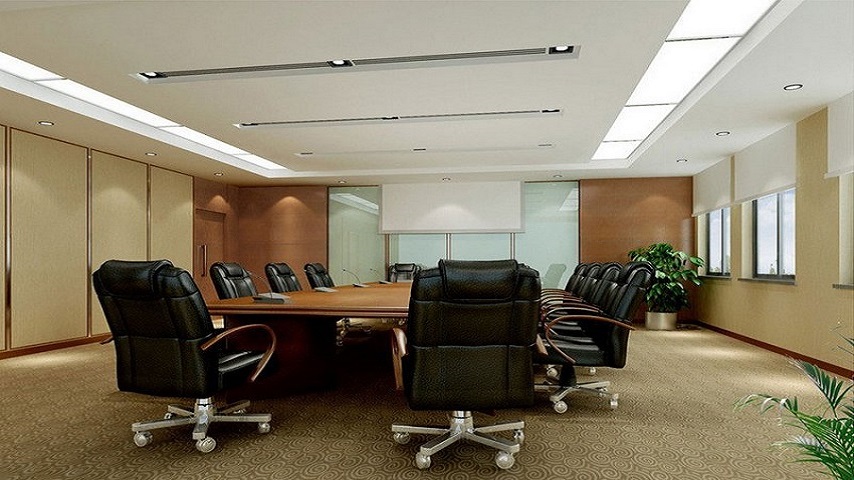
Modern workplaces are evolving at an incredible pace, driven by changing work patterns, increasing focus on employee well-being, and the growing need for flexible environments. No longer are offices defined by fixed cubicles, rigid layouts, or standard furniture. Instead, businesses are embracing a combination of ergonomic solutions and systems furniture design to create dynamic, efficient, and human-centric workplaces. These two concepts—ergonomics and systems-based furniture—are not independent elements; rather, they work together to redefine what a modern office should be.
Today’s organizations understand that a productive workforce requires more than just technology and processes—it needs supportive and flexible physical spaces. When ergonomic principles are integrated with systems furniture, offices become adaptable, comfortable, and optimized for long-term operational success.
Understanding Ergonomics in the Workplace
Ergonomics is the science of designing tools, environments, and systems that align with human limitations and capabilities. In simple terms, it ensures that the workplace adjusts to workers—not the other way around. Ergonomics prioritizes comfort, posture, and movement, reducing strain and preventing workplace injuries.
In a typical office, ergonomic solutions include:
- Adjustable chairs that support natural spine alignment
- Sit-stand desks to promote mobility and reduce sedentary behaviour
- Monitor arms that ensure eye-level viewing angles
- Keyboard trays and armrests that reduce strain on wrists and shoulders
These solutions go beyond physical comfort—they influence mental focus, reduce fatigue, and boost productivity. Employees who work comfortably are more engaged and confident in delivering quality output.
What Is Systems Furniture Design?
Systems furniture refers to modular office furniture designed for flexibility and adaptability. Rather than being fixed, bulky structures, systems furniture consists of components that can be assembled, reconfigured, expanded, or relocated with ease. Workstations, partitions, collaborative pods, and modular seating are all examples of systems-based office elements.
The key characteristics of systems furniture include:
- Modular components that adapt to organizational change
- Space-saving configurations suitable for compact offices
- Integrated cable management and built-in technology support
- Design compatibility that maintains visual coherence throughout the workspace
Systems furniture helps organizations scale their work environment without rebuilding or investing in new furniture. It supports the modern need for hybrid offices, agile workflows, and multi-functional spaces.
The Power of Integration: Ergonomics + Systems Furniture
When ergonomic solutions are combined with systems furniture, the result is a workspace that is not only stylish and modular but also supports employees physically and mentally. This integration elevates office interiors from merely functional to strategically optimized environments.
Here’s how these two concepts work hand in hand:
- Supporting Diverse Workstyles
The modern workforce includes a mix of in-office employees, remote workers, freelancers, and collaborative teams. Systems furniture allows various workstation styles—private desks, open benches, breakout lounges—to coexist. When ergonomic elements like height-adjustable tables or lumbar-support seating are added, each workspace becomes personalized and comfortable.
- Enhancing Flexibility Without Compromising Health
Work-from-anywhere culture demands flexibility. Systems furniture facilitates reconfiguration of spaces for team meetings, brainstorming sessions, or solo work. Ergonomic accessories such as monitor arms and mobile seating ensure comfort regardless of layout changes.
This adaptability makes it easy to transform a boardroom into a co-working hub or convert open areas into secluded pods, all while maintaining healthy posture and movement.
- Improving Productivity and Employee Experience
Employees are more productive when they feel supported. Ergonomic systems furniture reduces fatigue and musculoskeletal issues, which are common causes of absenteeism. Comfortable furniture also increases job satisfaction, helping companies retain skilled professionals.
Additionally, visually appealing and ergonomically intelligent workspaces create a positive perception of the company, benefitting recruitment and brand image.
- Space Efficiency and Aesthetic Coherence
Modern offices often need to do more with less space. Systems furniture ensures efficient utilization of every square foot. Integrated power modules, concealed storage, and wire management eliminate clutter.
When combined with ergonomic elements, workstations remain sleek, organized, and aligned with design themes—whether minimalist, futuristic, or corporate-luxe.
Future Trends Shaping Ergonomic Systems Furniture
As technology and workplace behaviours evolve, ergonomic systems furniture is stepping into an era of intelligence and responsiveness. Some emerging trends include:
- IoT-enabled workstations that track posture and usage data
- Smart chairs with automatic adjustments and pressure sensors
- Sound-absorbing modular booths for hybrid meetings
- Biophilic systems incorporating natural elements for improved well-being
These enhancements demonstrate how ergonomics and systems furniture are moving toward proactive design—anticipating user needs rather than reacting to them.
Conclusion
Ergonomic solutions and systems furniture design are not trends—they are essential components of modern office planning. Individually, they offer comfort and flexibility; together, they create work environments that maximize performance, well-being, and future readiness. As businesses navigate hybrid work expectations and space constraints, this powerful combination enables offices to evolve without sacrificing employee comfort or workplace identity.
Get professional office design services in Vadodara that create functional, stylish, and productive workspaces tailored to your brand.