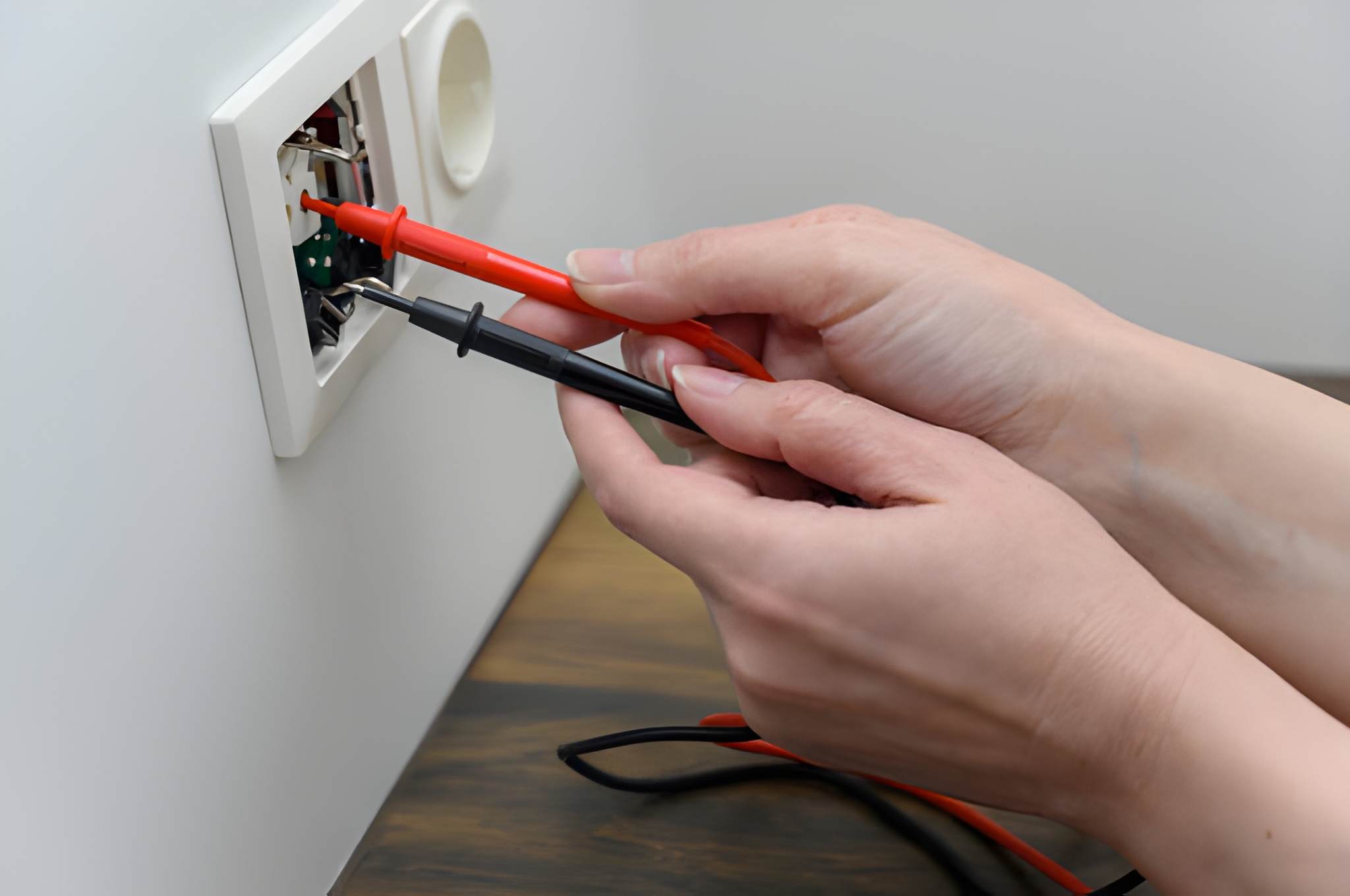
Islington remains one of North London’s most desirable boroughs, combining Georgian townhouses, Victorian terraces, luxury apartments, and high-density rental blocks. With property values high and tenant demand strong, compliance and safety standards are under greater scrutiny than ever. Electrical safety is a critical part of that responsibility.
Obtaining a professional EICR in Islington is not simply about meeting regulatory requirements—it is about protecting occupants, safeguarding assets, and ensuring your property meets modern UK wiring standards.
Understanding the Purpose of an EICR
An Electrical Installation Condition Report (EICR) is a formal inspection and testing process that assesses the safety and condition of a property’s fixed electrical systems. It is conducted in accordance with BS 7671 (IET Wiring Regulations).
The inspection evaluates:
- Consumer units (fuse boards)
- Circuit breakers and RCD protection
- Fixed wiring systems
- Earthing and bonding
- Sockets, switches, and lighting circuits
- Overall load capacity and protective measures
The goal of an EICR in Islington is to determine whether an installation is safe for continued use or requires remedial action.
Electrical systems deteriorate gradually. Insulation degrades, connections loosen, and outdated protection devices may no longer meet modern safety standards. Without periodic inspection, hidden faults can pose significant fire and shock risks.
Legal Requirements for Rental Properties in England
Under the Electrical Safety Standards in the Private Rented Sector Regulations, landlords must:
- Ensure electrical installations are inspected at least every five years.
- Provide tenants with a copy of the report within 28 days.
- Complete remedial works within 28 days if required.
- Supply documentation to local authorities if requested.
Non-compliance can result in financial penalties of up to £30,000 and enforcement action.
For homeowners, an EICR is not legally mandatory unless the property is rented. However, industry guidance recommends testing every 10 years—or sooner if the property has undergone significant electrical alterations.
Why Islington Properties Require Particular Attention
Islington’s architectural diversity presents unique electrical safety considerations.
1. Period Housing Stock
Many properties date back to the 18th and 19th centuries. Even if rewiring has been undertaken, sections of older installations may remain concealed.
2. Subdivided Townhouses
Large Georgian and Victorian homes, often converted into flats, can have complex, multi-board electrical arrangements that require detailed inspection.
3. High Tenant Turnover
Rental properties must consistently demonstrate compliance, particularly in boroughs with active local authority oversight.
4. Modern Energy Demand
Home offices, underfloor heating, induction cookers, and electric vehicle charging points place additional load on circuits not originally designed for modern usage.
A thorough EICR in Islington ensures installations meet current regulatory expectations rather than outdated standards.
What to Expect During an EICR Inspection
Professional inspectors follow a structured and systematic testing process.
Initial Visual Examination
The electrician checks for visible damage, overheating, corrosion, or unsafe alterations.
Dead Testing Procedures
With the power isolated, insulation resistance and continuity tests are performed to verify cable integrity and circuit safety.
Live Testing
Once energised, tests confirm earth fault loop impedance and RCD performance to ensure correct disconnection times.
Defect Classification Codes
Findings are categorised using nationally recognised codes:
- Danger Present: Immediate risk requiring urgent attention.
- Potentially Dangerous: Remedial work necessary.
- Improvement Recommended: Advisory upgrade suggested.
- Further Investigation Required: Additional examination needed.
Only installations without C1, C2, or FI observations are deemed satisfactory.
London Property Inspections follows rigorous testing standards to provide accurate and compliant reporting across Islington.
Common Electrical Defects Found in Islington
Based on inspection trends in North London, typical issues include:
- Outdated consumer units without RCD protection
- Insufficient main bonding
- Overloaded circuits in converted flats
- Mixed wiring standards from historic upgrades
- Poor-quality DIY electrical modifications
- Incorrect circuit labelling
Such deficiencies increase the risk of electrical fires and may complicate insurance claims if incidents occur.
The Business Case for Compliance
Beyond safety, arranging an EICR in Islington provides clear commercial advantages.
Reduced Legal Risk
Compliance protects landlords from enforcement action and liability claims.
Insurance Protection
Insurers often require proof of proper maintenance in the event of fire or electrical damage.
Asset Preservation
Early detection of wiring degradation prevents costly full rewires.
Improved Property Value
Up-to-date certification reassures buyers and mortgage lenders during transactions.
In competitive property markets, documented safety standards enhance professional credibility.
Timing: When Should You Arrange an EICR?
You should book an inspection if:
- Five years have passed since your last EICR.
- You are purchasing a property in Islington.
- Major renovations or electrical works have been completed.
- The property has not been inspected within the past decade.
- There are signs of tripped circuits or overheating outlets.
Proactive scheduling ensures compliance without last-minute pressure from tenants or authorities.
EICR and Property Sales in Islington
Although not legally mandatory for sales, buyers frequently request electrical documentation. A valid EICR:
- Demonstrates transparency
- Reduces negotiation delays
- Supports mortgage lender confidence
- Provides reassurance regarding safety compliance
Given Islington’s high-value property market, formal documentation strengthens trust between parties.
Choosing the Right Inspection Provider
When arranging an EICR in Islington, select a contractor who:
- Is fully qualified and experienced
- Understands both period and modern electrical systems
- Provides clear, comprehensive reporting
- Offers guidance on remedial priorities
- Maintains transparent pricing structures
London Property Inspections combines technical expertise with detailed knowledge of North London housing stock, ensuring inspections align with current UK wiring regulations.
Protecting Property and People Through Electrical Compliance
Electrical systems are often overlooked until a fault occurs. In boroughs like Islington—where historic buildings meet modern electrical demands—routine inspection is essential to ensure safety and compliance.
A professionally conducted EICR in Islington safeguards tenants, protects landlords from financial penalties, and preserves long-term property value. It demonstrates responsible ownership and aligns with current UK regulatory standards.
By partnering with experienced professionals such as London Property Inspections, property owners gain accurate reporting, regulatory confidence, and practical guidance for maintaining safe electrical systems.
In today’s compliance-driven environment, proactive electrical safety is not merely recommended—it is a fundamental requirement of responsible property management in North London.
Frequently Asked Questions About EICR in Islington
1. How long does an EICR inspection take?
A standard one- or two-bedroom flat may take two to four hours. Larger townhouses or multi-board properties require additional time.
2. What happens if the report is unsatisfactory?
If C1 or C2 codes are issued, remedial works must be completed within 28 days. Written confirmation should be retained for compliance records.
3. Is a new EICR required between tenants?
If the existing report remains valid within the five years and no major alterations have been made, a new inspection is not required.
4. Does an EICR include portable appliance testing?
No. The report assesses fixed installations only. Portable Appliance Testing is a separate process.
5. How much does EICR in Islington typically cost?
Costs depend on property size, number of circuits, and complexity of the installation.
