Lung transplantation is one of the most complex and life-saving procedures in modern medicine. For patients suffering from end-stage lung diseases such as pulmonary fibrosis, chronic obstructive pulmonary disease (COPD), cystic fibrosis, or pulmonary hypertension, a lung transplant offers renewed hope for survival and improved quality of life. However, even after a successful transplant, the journey is far from over. One of the greatest challenges remains the body’s immune response, which can lead to rejection of the transplanted organ.
In recent years, advanced immune-modulating therapies have transformed post-transplant care. One such innovative approach is extracorporeal photopheresis, a therapy that helps regulate the immune system while minimizing harmful side effects. Unlike conventional immunosuppressive drugs, this treatment works by retraining immune cells rather than simply suppressing them.
Leading centers such as the swiss health clinic have integrated this therapy into comprehensive transplant care programs, helping patients achieve longer graft survival and better overall health.
Why Is Immune Regulation Critical After Lung Transplant?
After a lung transplant, the recipient’s immune system naturally recognizes the new organ as foreign. This triggers an immune response aimed at attacking and destroying the transplanted tissue — a process known as rejection. Rejection can be acute (short-term) or chronic (long-term), with chronic lung allograft dysfunction (CLAD) being one of the leading causes of graft failure and mortality in lung transplant recipients.
The Challenge with Traditional Immunosuppressive Therapy
Standard post-transplant care relies heavily on immunosuppressive drugs such as:
- Calcineurin inhibitors (e.g., tacrolimus, cyclosporine)
- Corticosteroids
- Antimetabolites (e.g., mycophenolate mofetil)
While these medications are effective, they come with significant risks, including:
- Increased susceptibility to infections
- Higher cancer risk
- Kidney and liver toxicity
- Metabolic complications such as diabetes and hypertension
Over time, these side effects can significantly impact a patient’s quality of life and overall survival.
The Need for Targeted Immune Modulation
This is where photopheresis emerges as a powerful complementary therapy. Rather than broadly suppressing the immune system, it selectively modifies immune responses, promoting tolerance toward the transplanted lung while preserving the body’s ability to fight infections and malignancies.
What Is Extracorporeal Photopheresis?
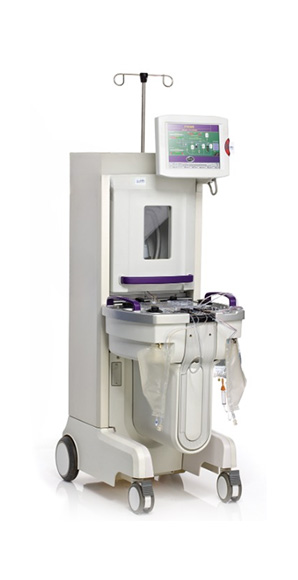
Extracorporeal photopheresis (ECP) is an immune-modulating treatment that involves collecting a patient’s white blood cells, treating them with a light-activated agent, exposing them to ultraviolet (UV) light, and then reinfusing them into the patient’s bloodstream.
This process leads to controlled apoptosis (programmed cell death) of targeted immune cells. When these treated cells are reintroduced into the body, they promote the development of regulatory immune pathways rather than aggressive immune reactions.
Originally developed for cutaneous T-cell lymphoma, ECP has since proven highly effective in transplant medicine, particularly for managing organ rejection and graft-versus-host disease.
Why Photopheresis Is Used in Lung Transplant Patients
Lung transplant patients face unique immunological challenges due to the lungs’ constant exposure to environmental antigens, pathogens, and pollutants. This makes them more vulnerable to immune-mediated injury and rejection compared to other organ transplant recipients.
Key Reasons for Using Photopheresis in Lung Transplantation
- Prevention of Chronic Rejection
Chronic lung allograft dysfunction (CLAD), including bronchiolitis obliterans syndrome (BOS), is the leading cause of long-term graft failure. Photopheresis has been shown to slow disease progression and improve lung function. - Treatment of Acute Rejection
In cases where standard immunosuppressive therapy fails, ECP serves as a second-line or adjunct therapy to reverse immune-mediated damage. - Reduction of Immunosuppressive Drug Burden
By enhancing immune tolerance, photopheresis can allow clinicians to reduce dosages of traditional drugs, minimizing long-term side effects. - Improved Survival and Quality of Life
Patients undergoing ECP often experience improved respiratory function, fewer hospitalizations, and better overall well-being.
Centers like the swiss health clinic integrate photopheresis into individualized post-transplant care plans, ensuring optimal outcomes through evidence-based protocols.
Types of Photopheresis Used in Lung Transplant Care
Photopheresis can be categorized based on treatment protocols, clinical indications, and patient-specific factors.
- Prophylactic Photopheresis
This approach is used preventively in high-risk lung transplant patients to reduce the likelihood of rejection before symptoms appear. It is especially beneficial for:
- Patients with previous rejection episodes
- Patients with autoimmune conditions
- Those with high immunological risk profiles
- Therapeutic Photopheresis
Therapeutic photopheresis is initiated after signs of rejection or CLAD have already developed. This approach aims to:
- Stabilize lung function
- Reduce inflammation
- Slow disease progression
- Adjunctive Photopheresis
In many cases, photopheresis is used alongside standard immunosuppressive therapy rather than replacing it entirely. This combined approach offers enhanced immune regulation with fewer drug-related complications.
Advantages of Extracorporeal Photopheresis
One of the strongest reasons for adopting extracorporeal photopheresis in lung transplant care is its exceptional safety and tolerability profile.
Key Advantages
- Targeted Immune Modulation
Unlike systemic immunosuppressants, ECP selectively alters immune cell behavior without compromising the entire immune system. - Reduced Risk of Infections
Because immune function is regulated rather than suppressed, patients experience fewer opportunistic infections. - Lower Toxicity
Photopheresis does not cause kidney, liver, or bone marrow toxicity — a major advantage over long-term pharmacological therapy. - Improved Graft Survival
Studies show that ECP can extend the life of transplanted lungs by slowing or reversing rejection processes. - Excellent Tolerability
Most patients experience minimal side effects, making it suitable for long-term use. - Personalized Treatment Approach
The therapy can be tailored to individual patient needs, disease severity, and response patterns.
Benefits for Lung Transplant Patients
Beyond clinical efficacy, photopheresis offers several patient-centered benefits that improve both physical and emotional well-being.
- Enhanced Lung Function
Many patients experience stabilization or improvement in pulmonary function tests, leading to:
- Easier breathing
- Increased exercise tolerance
- Reduced oxygen dependence
- Improved Quality of Life
Patients often report:
- Better energy levels
- Fewer hospital admissions
- Reduced medication side effects
- Psychological Well-Being
Knowing that rejection is being actively managed through a gentle and effective therapy can significantly reduce anxiety and improve mental health.
- Long-Term Health Preservation
By reducing the need for high-dose immunosuppressive drugs, photopheresis lowers the risk of long-term complications such as cancer, kidney disease, and metabolic disorders.
- Complementary Role in Biological Therapy
Photopheresis is often considered a form of biological therapy, as it works by modifying immune cells rather than using synthetic drugs. This aligns with the growing trend toward personalized, cell-based, and immune-targeted treatments in modern medicine.
Step-by-Step Process of Photopheresis Treatment
Understanding what happens during treatment helps patients feel more confident and prepared. Here is a detailed, step-by-step overview of a typical photopheresis session.
Step 1: Patient Assessment and Preparation
Before starting therapy, clinicians conduct:
- Medical history review
- Blood tests
- Lung function tests
- Assessment of vascular access
Treatment protocols are customized based on the patient’s clinical condition and transplant history.
Step 2: Blood Collection (Leukapheresis)
Blood is drawn from the patient and passed through a specialized machine that separates white blood cells from the rest of the blood components. The remaining blood is returned to the patient.
Step 3: Photosensitization
The collected white blood cells are treated with a light-sensitive medication, typically 8-methoxypsoralen (8-MOP).
Step 4: Ultraviolet Light Exposure
The treated cells are exposed to ultraviolet A (UVA) light. This process activates the medication, causing controlled apoptosis of targeted immune cells.
Step 5: Reinfusion
The treated cells are reinfused into the patient’s bloodstream, where they interact with the immune system and promote immune tolerance.
Step 6: Monitoring and Follow-Up
Patients are monitored during and after each session for any side effects. Lung function, immune markers, and overall health are assessed regularly to evaluate treatment effectiveness.
Treatment Schedule and Duration
Photopheresis protocols vary depending on individual patient needs and clinical goals.
Typical Treatment Schedule
- Induction Phase:
1–2 sessions per week for 4–8 weeks - Maintenance Phase:
Gradually reduced frequency (e.g., biweekly or monthly sessions)
The duration of therapy may range from several months to multiple years, depending on the patient’s response and long-term goals.
Safety Profile and Side Effects
One of the strongest aspects of photopheresis is its excellent safety profile.
Common Mild Side Effects
- Temporary fatigue
- Mild headache
- Low-grade fever
- Slight drop in blood pressure during treatment
These effects are usually short-lived and resolve without intervention.
Rare Complications
- Infection at vascular access site
- Allergic reaction to photosensitizing agent
- Transient anemia or low platelet count
Compared to traditional immunosuppressive drugs, these risks are minimal, making photopheresis suitable for long-term use.
Clinical Evidence Supporting Photopheresis in Lung Transplantation
Numerous clinical studies and real-world data support the use of photopheresis in lung transplant patients.
Key Findings from Research
- Reduced progression of chronic lung allograft dysfunction
- Improved lung function stability
- Increased graft survival rates
- Reduced need for high-dose immunosuppressive drugs
Leading transplant centers worldwide now include photopheresis as a standard adjunct therapy for managing rejection.
Role of Swiss Health Clinic in Advanced Transplant Care
Institutions such as the swiss health clinic are recognized for their commitment to cutting-edge, evidence-based transplant care. By integrating photopheresis into comprehensive post-transplant management plans, they ensure:
- Personalized treatment strategies
- Multidisciplinary care teams
- Advanced diagnostic and monitoring tools
- High safety and quality standards
Their patient-centered approach focuses not only on extending life but also on enhancing its quality, helping lung transplant recipients achieve long-term stability and well-being.
Who Is a Good Candidate for Photopheresis?
Photopheresis is not necessary for every lung transplant patient, but it is particularly beneficial for those who:
- Have experienced acute rejection episodes
- Show signs of chronic rejection or CLAD
- Do not tolerate standard immunosuppressive therapy well
- Are at high risk for immune-mediated complications
Final eligibility is determined through comprehensive evaluation by a transplant specialist.
Integration with Other Therapies
Photopheresis does not replace standard transplant medications but works alongside them. It complements:
- Immunosuppressive drugs
- Pulmonary rehabilitation programs
- Infection prevention strategies
- Nutritional and lifestyle interventions
This integrated approach ensures comprehensive care tailored to the patient’s unique needs.
Ethical and Quality-of-Life Considerations
Modern transplant care emphasizes not only survival but also ethical, emotional, and social dimensions of patient health.
Photopheresis aligns with these values by:
- Reducing medication burden
- Minimizing long-term toxicity
- Supporting patient autonomy and comfort
- Enhancing long-term quality of life
For many patients, this therapy represents a bridge between survival and thriving after transplantation.
Future of Photopheresis in Transplant Medicine
Ongoing research continues to explore new applications and optimize protocols for photopheresis. Future directions include:
- Earlier use in transplant care
- Combination with novel immune therapies
- Biomarker-guided treatment schedules
- Expanded use in other organ transplants
As immune science advances, photopheresis is expected to play an even greater role in personalized transplant medicine.
Conclusion
Lung transplantation offers a second chance at life for patients with end-stage respiratory disease, but long-term success depends on effective immune regulation. Extracorporeal photopheresis stands out as a safe, effective, and patient-friendly therapy that addresses rejection at its root immune dysregulation rather than merely suppressing symptoms.
By promoting immune tolerance, preserving lung function, and reducing reliance on toxic medications, photopheresis significantly improves outcomes and quality of life for lung transplant recipients. Leading centers like the swiss health clinic continue to advance this therapy through evidence-based protocols and compassionate, personalized care.
As transplant medicine continues to evolve, photopheresis represents a powerful example of how innovation, science, and patient-centered values can come together to transform lives.
Frequently Asked Questions
- What is photopheresis, and how does it work?
Photopheresis is an immune-modulating therapy in which white blood cells are treated with a light-activated agent and ultraviolet light before being reinfused into the patient. This process promotes immune tolerance and reduces harmful immune responses.
- Is photopheresis safe for lung transplant patients?
Yes. Photopheresis has an excellent safety profile, with minimal side effects compared to traditional immunosuppressive medications.
- How long does a photopheresis session take?
A typical session lasts between 2 to 4 hours, depending on the patient’s blood volume and treatment protocol.
- Will photopheresis replace my immunosuppressive medications?
No. Photopheresis is usually used alongside standard medications, allowing for lower dosages and reduced side effects over time.
- How soon will I see results from photopheresis?
Some patients notice stabilization of lung function within a few weeks, while others may require several months of therapy to achieve optimal results.
- Can photopheresis prevent chronic rejection?
Yes. Clinical evidence shows that photopheresis can slow or prevent the progression of chronic lung allograft dysfunction.
- Is photopheresis considered a form of biological therapy?
Yes. Because it uses the patient’s own immune cells to regulate immune responses, photopheresis is classified as a form of biological therapy.
- Are there any long-term risks associated with photopheresis?
Long-term risks are minimal. Unlike systemic immunosuppressive drugs, photopheresis does not cause organ toxicity or significantly increase cancer risk.
- Who should not undergo photopheresis?
Patients with severe hemodynamic instability, uncontrolled infections, or certain blood disorders may not be suitable candidates. Final eligibility is determined by a transplant specialist.
- How can I access photopheresis treatment?
Photopheresis is available at specialized transplant centers and advanced medical institutions, including leading programs such as the swiss health clinic.
