Modern medicine is rapidly evolving toward more precise, targeted, and less invasive treatment methods. One such breakthrough that has gained global recognition is Therapeutic Apheresis. This advanced medical procedure is designed to purify the blood by removing harmful substances that contribute to chronic illness, autoimmune disorders, neurological conditions, and inflammatory diseases.
Instead of relying only on medication to suppress symptoms, this therapy directly removes the root causes from the bloodstream such as toxins, autoantibodies, inflammatory molecules, cholesterol particles, and immune complexes. The result is a cleaner, healthier blood profile that allows the body to heal naturally and more efficiently.
In medical centers across Europe, especially in specialized facilities providing apheresis in germany, this therapy is now considered a powerful tool for both life-saving emergency treatments and long-term disease management. As personalized medicine grows, blood purification is becoming a pillar of advanced healthcare.
Why Blood Cleansing Matters
Your blood is responsible for transporting oxygen, nutrients, hormones, immune cells, and waste products. When harmful substances build up in the blood, they can disrupt this delicate balance and trigger disease.
In many chronic and autoimmune conditions, the immune system mistakenly produces antibodies that attack healthy tissues. These destructive antibodies circulate in the bloodstream and continuously damage organs, joints, nerves, and blood vessels. Over time, this leads to inflammation, fatigue, pain, neurological dysfunction, and organ failure.
This is where apheresis plays a transformative role. Rather than suppressing the immune system with drugs, it physically removes the harmful components from the blood. This allows the immune system to reset and function more normally.
Patients suffering from multiple sclerosis, rheumatoid arthritis, lupus, long COVID, lipid disorders, and neurological diseases often see remarkable improvement when their blood is purified using this approach.
What Is Therapeutic Apheresis?
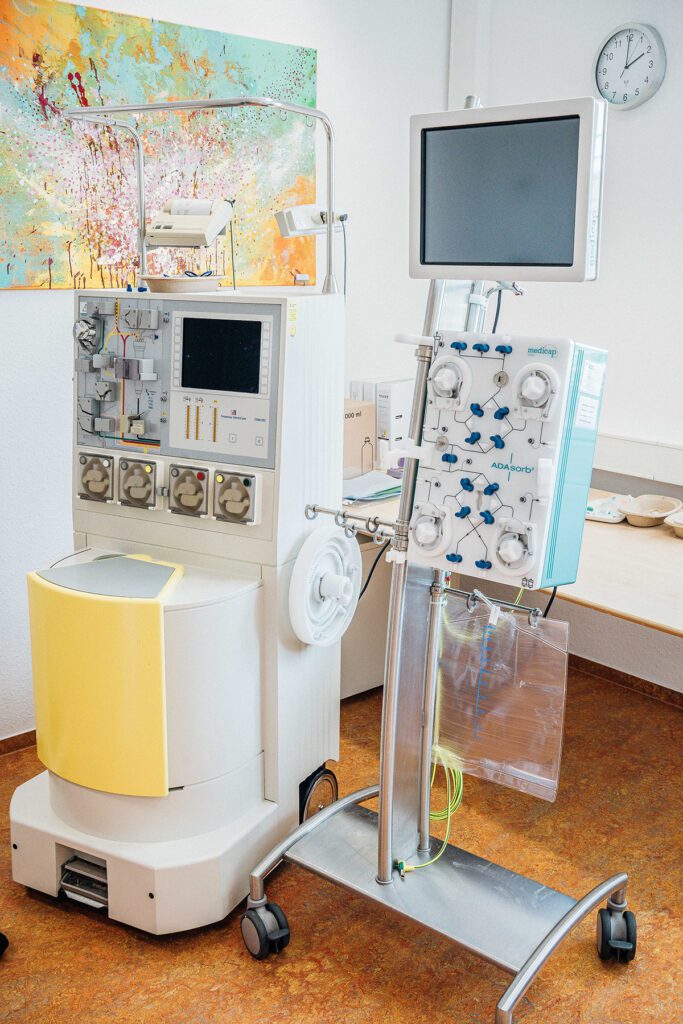
Therapeutic Apheresis is a medical procedure in which blood is drawn from the patient, filtered through a specialized machine, and then returned to the body after harmful substances have been removed.
The process is highly controlled and is performed by trained medical professionals in a clinical environment. It does not damage healthy blood cells; instead, it selectively removes specific components such as:
- Autoantibodies
- Inflammatory proteins
- Cholesterol and lipoproteins
- Toxins
- Immune complexes
- Pathogenic substances
Because the therapy targets only the disease-causing elements, it is considered one of the safest and most precise detoxification methods in modern medicine.
In leading European clinics, including specialized centers for apheresis in germany, this technology is used both in conventional hospitals and integrative medicine facilities.
Types of Therapeutic Apheresis
There are several types of this therapy, each designed for specific medical needs.
1. Plasma Exchange (Plasmapheresis)
This method removes the plasma portion of the blood and replaces it with a sterile solution. It is commonly used for autoimmune and neurological diseases.
2. Immunoadsorption
This advanced method selectively removes antibodies while keeping most of the plasma intact. It is widely used for autoimmune and transplant patients.
3. Lipid Apheresis
Designed for people with high cholesterol or genetic lipid disorders, this method removes LDL cholesterol and lipoprotein particles from the blood.
4. Rheopheresis
This technique improves blood flow by removing thickening proteins and inflammatory factors. It is used for circulatory and eye diseases.
5. Selective Adsorption Therapy
A highly precise system that targets only specific toxins or immune elements without disturbing the rest of the blood composition.
Many patients choose treatment centers offering apherese frankfurt because of their access to multiple cutting-edge apheresis technologies and experienced specialists.
Advantages of Therapeutic Apheresis
One of the biggest advantages of this therapy is that it treats the cause, not just the symptoms.
Targeted Treatment
Unlike medications that affect the entire body, Therapeutic Apheresis focuses only on harmful blood components.
Drug-Free Healing
It reduces dependency on steroids, immunosuppressants, and long-term medications.
Fast Results
Many patients notice improvements after just a few sessions.
Safe and Well-Tolerated
When performed by trained professionals, the procedure has a very low risk profile.
Supports Natural Healing
Once the toxic and inflammatory elements are removed, the body can repair itself more effectively.
Medical Conditions Treated
This therapy is used worldwide to treat a wide range of conditions, including:
- Autoimmune diseases (lupus, multiple sclerosis, rheumatoid arthritis)
- Neurological disorders (CIDP, myasthenia gravis)
- Cardiovascular disease
- Chronic fatigue syndrome
- Long COVID
- Lyme disease
- High cholesterol and lipid disorders
- Kidney and blood diseases
Step-by-Step Treatment Process
Understanding how the therapy works helps patients feel confident and relaxed during the procedure.
Step 1: Medical Assessment
Doctors conduct blood tests, health screening, and medical evaluations to determine if the therapy is suitable.
Step 2: Preparation
A small needle or catheter is placed in the vein to allow blood to flow into the machine.
Step 3: Blood Filtration
The blood is passed through a sophisticated filter that removes harmful substances while preserving healthy components.
Step 4: Blood Return
The cleaned blood is safely returned to the patient’s body.
Step 5: Monitoring
Vital signs are monitored throughout the session to ensure safety and comfort.
Each session usually lasts between 2 to 3 hours, depending on the condition being treated.
Benefits for Patients
Patients who undergo this therapy often report:
- Reduced inflammation
- Improved energy levels
- Less pain and stiffness
- Better neurological function
- Improved circulation
- Stronger immune balance
- Better response to other treatments
Since apheresis improves blood quality, it also enhances oxygen delivery and nutrient transport to cells, boosting overall vitality.
Why Germany Is a Global Leader
Clinics specializing in apheresis in germany offer some of the most sophisticated blood purification systems in the world.
German centers also lead in research, developing newer filtration techniques that improve precision and comfort. This is why international patients travel to cities like Frankfurt for apherese frankfurt services.
Who Should Consider This Therapy?
You may benefit from this treatment if you:
- Have an autoimmune disease
- Suffer from chronic inflammation
- Have neurological symptoms
- Have resistant high cholesterol
- Experience fatigue or brain fog
- Do not respond well to medications
A specialist will always determine eligibility based on medical testing.
Conclusion
Therapeutic Apheresis is one of the most powerful blood-cleaning technologies in modern medicine. By removing harmful substances directly from the bloodstream, it allows the body to heal at a deeper level.
From autoimmune disorders to cardiovascular disease, this therapy offers a safe, targeted, and highly effective solution. With global leaders in apheresis in germany and elite centers such as apherese frankfurt, patients now have access to world-class blood purification that goes beyond symptom control and moves toward true healing.
As medicine continues to advance, blood-based therapies will play an even greater role in restoring health and vitality.
Frequently Asked Questions
Is this therapy painful?
No. Most patients feel only a mild needle insertion. The procedure is generally comfortable.
How many sessions are needed?
It depends on the condition. Some need 3–5 sessions, while others may require ongoing therapy.
Is it safe?
Yes. apheresis is approved and widely used in hospitals worldwide with a very strong safety record.
Can it replace medication?
In many cases, it reduces the need for medication, but decisions are always made by doctors.
Who performs the procedure?
Trained medical professionals using specialized equipment.