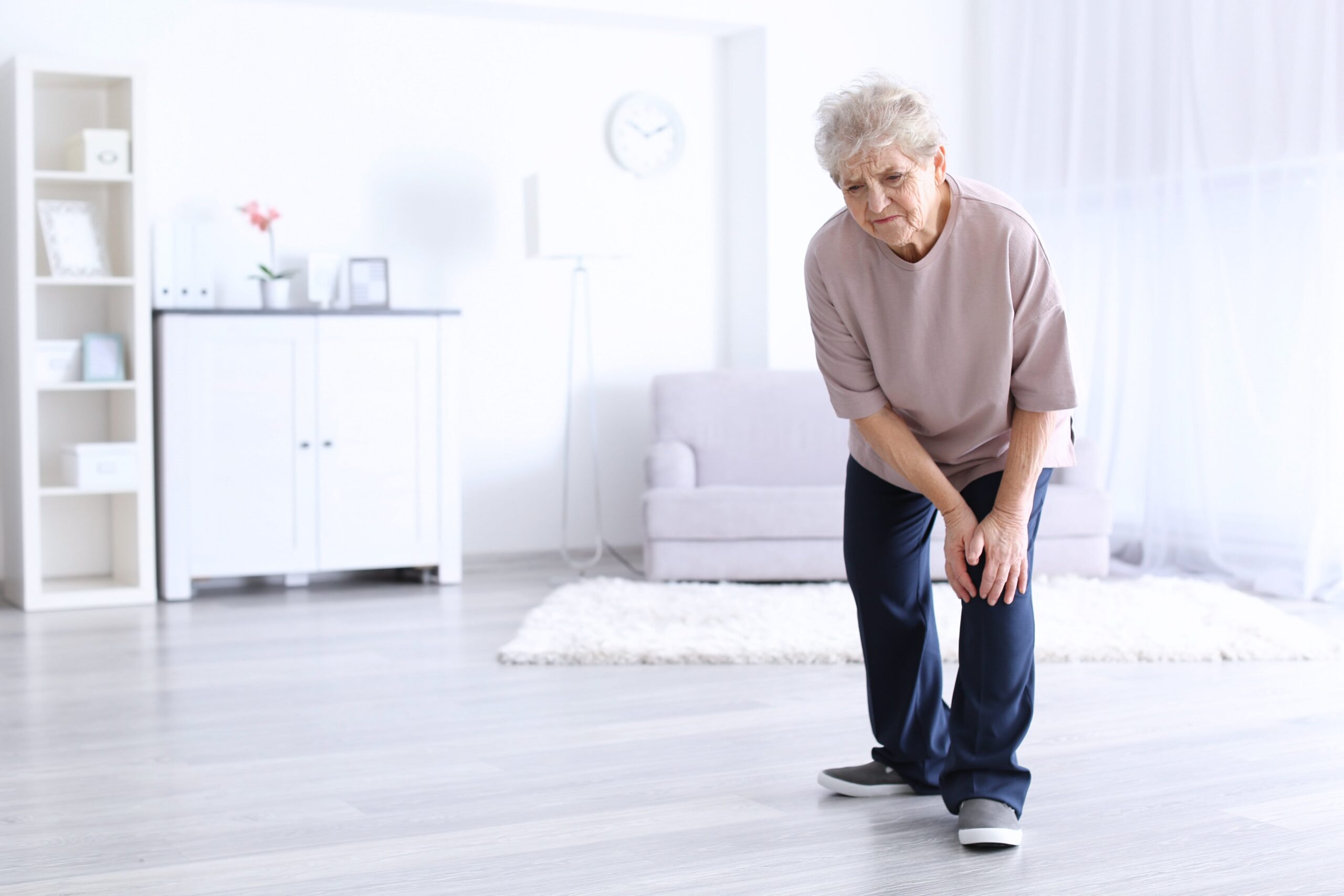
Aging brings wisdom and experience, but it can also introduce physical challenges that affect daily comfort. One of the most common concerns among older adults is joint pain in old age, which can quietly limit mobility, independence, and overall quality of life. Pain may begin as mild stiffness and gradually progress into discomfort that interferes with walking, standing, or even simple household tasks. With the right understanding, timely care, and appropriate treatment, older adults can manage joint pain effectively and continue living active, fulfilling lives.
Why Joint Pain Becomes More Common With Age?
As the body ages, natural changes occur in the joints, muscles, and connective tissues. Cartilage, the smooth tissue that cushions joints tends to thin over time, reducing shock absorption. Ligaments may lose flexibility, and muscles can weaken, placing extra stress on joints. Here are the common causes of joint pain in old age:
- Osteoarthritis (wear-and-tear of cartilage)
- Age-related cartilage degeneration
- Reduced synovial fluid in joints
- Rheumatoid arthritis
- Osteoporosis
- Previous joint injuries
- Muscle weakness around joints
- Reduced flexibility and stiffness
- Inflammation of tendons and ligaments
- Vitamin D deficiency
- Calcium deficiency
- Poor blood circulation
- Obesity or excess body weight
- Sedentary lifestyle
- Nerve compression (spine-related issues)
- Gout
- Autoimmune disorders
- Chronic inflammation
- Hormonal changes (especially post-menopause)
Common Joints Affected in Older Adults
- Knees: Knee joints carry much of the body’s weight. Pain here often worsens with walking, standing, or climbing stairs.
- Hips: Hip pain can affect balance and mobility, making daily activities more difficult.
- Hands and Fingers: Joint stiffness in the hands may interfere with writing, gripping, or buttoning clothes.
- Spine: Back and neck joints may become stiff or painful, especially after long periods of sitting or standing.
How Joint Pain Impacts Daily Life in Older Adults?
Persistent joint pain affects more than physical movement. Many older adults experience:
- Reduced independence
- Fear of falling
- Difficulty staying active
- Sleep disturbances
- Emotional frustration or low mood
Left untreated, joint pain can lead to muscle weakness, reduced balance, and increased risk of falls.
Joint Pain in Old Age Treatments
Treating joint pain in old age requires a careful, clinical, and long-term approach that focuses on pain relief, mobility improvement, and slowing joint degeneration. Below is a comprehensive and medically sound explanation, written in a patient-friendly yet professional tone.
1. Accurate Medical Assessment
Joint pain in older adults is often caused by osteoarthritis, age-related cartilage wear, osteoporosis, inflammation, or previous joint injuries. A proper clinical evaluation including physical examination and imaging such as X-rays or MRI helps identify the exact cause and ensures targeted treatment rather than temporary relief.
2. Medications for Pain and Inflammation
Pain doctors may prescribe anti-inflammatory medications, pain relievers, or topical analgesics to reduce joint swelling and discomfort. In some cases, disease-modifying drugs or supplements such as calcium and vitamin D are recommended to support bone and joint health. Medication plans are customised by joint pain doctors in Mesquite carefully to avoid side effects common in older adults.
3. Physical Therapy and Gentle Exercise
Supervised physical therapy is one of the best joint pain treatments in Mesquite that plays a vital role in managing joint pain in old age. Low-impact exercises improve joint flexibility, strengthen surrounding muscles, and reduce stiffness. Activities such as walking, stretching, water therapy, and balance training help maintain independence and reduce fall risk.
4. Joint Injections and Advanced Treatments
For moderate to severe joint pain, corticosteroid or hyaluronic acid injections may be used to reduce inflammation and improve joint lubrication. In chronic cases, advanced pain management options such as regenerative therapies or minimally invasive procedures can offer longer-lasting relief. For those with complex or chronic symptoms, a joint pain pain management clinic in Mesquite offers advanced, minimally invasive solutions tailored to aging joints.
5. Nutritional Support and Bone Health
A balanced diet rich in calcium, vitamin D, omega-3 fatty acids, and antioxidants supports joint and bone health. Proper nutrition helps slow joint degeneration and supports recovery from inflammation.
6. Surgical Intervention (When Necessary)
When conservative treatments fail and pain severely limits daily activities, joint pain specialists in mesquite recommend joint replacement surgery. Modern surgical techniques provide significant pain relief and improved mobility for elderly patients when clinically indicated.
7. Lifestyle Changes
Small adjustments can make a big difference in daily comfort:
- Stay physically active with low-impact exercises
- Maintain a healthy body weight
- Use supportive footwear
- Practice good posture
- Take breaks during prolonged activity
- Avoid sudden or forceful movements
Consistency with these habits helps protect joints and slow further wear.
Importance of Early Care
Many older adults delay treatment, assuming pain is just part of aging. However, early intervention:
- Prevents worsening joint damage
- Preserves mobility and balance
- Reduces the need for invasive procedures
- Improves overall quality of life
Conclusion
Aging does not mean giving up comfort or independence. Joint pain in old age is common, but it is also manageable with the right approach. Understanding the causes, seeking timely medical care, and adopting supportive lifestyle habits can significantly reduce pain and improve daily function. With proper diagnosis and personalized treatment, older adults can continue to move with confidence and enjoy an active, fulfilling life. At the joint pain clinic in Mesquite, patients receive comprehensive evaluations and access to modern pain management options.
Frequently Asked Questions (FAQs)
Is joint pain a normal part of aging?
Joint pain is common with age, but persistent or severe pain is not something you should ignore.
Can joint pain in older adults be treated without surgery?
Yes, many cases improve with conservative care, therapy, and pain management techniques.
What type of exercise is best for aging joints?
Low-impact activities like walking, swimming, and gentle stretching are often helpful.
When should an older adult see a joint specialist?
If pain lasts more than a few weeks or affects daily activities, medical evaluation is recommended.
Can lifestyle changes help joint pain?
Yes, maintaining activity, proper posture, and healthy weight can significantly reduce joint stress.
