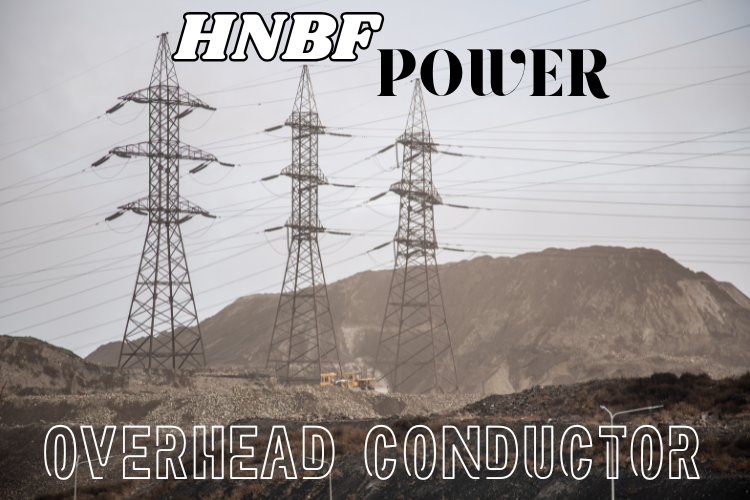
Overhead conductors are the backbone of electrical transmission and distribution networks worldwide. From long-distance high-voltage lines to local distribution feeders, these conductors must deliver power safely, efficiently, and reliably under diverse environmental and loading conditions. For engineers and procurement teams, selecting the right overhead conductor is a strategic decision one that affects line losses, mechanical performance, lifecycle cost, and grid resilience.
Modern grids demand more than basic conductivity. Utilities and EPC contractors now look for optimized strength-to-weight ratios, corrosion resistance, thermal performance, and compliance with international standards. As a global manufacturer of overhead conductors and power cables, HNBF Power supports these needs with a comprehensive portfolio designed for transmission and distribution projects across varied terrains and climates.
In this guide, we explain how overhead conductors work, compare common conductor types, and outline key technical considerations to help buyers make informed decisions.
What Is an Overhead Conductor?
An overhead conductor is a bare or insulated electrical conductor installed on poles or transmission towers to carry electricity through the air. Unlike underground cables, overhead conductors are air-cooled, cost-effective for long distances, and easier to inspect and maintain. They are widely used in:
-
High-voltage transmission lines
-
Medium- and low-voltage distribution networks
-
Rural electrification and grid expansion projects
Common Types of Overhead Conductors
AAC (All Aluminum Conductor)
AAC is made entirely of aluminum strands, offering excellent conductivity and corrosion resistance. It is lightweight and suitable for short spans and urban distribution networks where mechanical strength demands are moderate.
AAAC (All Aluminum Alloy Conductor)
AAAC uses aluminum alloy to improve tensile strength while maintaining good conductivity. It is often selected for longer spans and coastal or corrosive environments where durability is critical.
ACSR (Aluminum Conductor Steel Reinforced)
ACSR combines aluminum strands with a steel core, delivering high tensile strength and proven performance for long-span transmission lines. It is widely used in high-voltage applications where mechanical load capacity is essential.
ABC (Aerial Bundled Cable)
ABC is an insulated overhead conductor system commonly used in low-voltage distribution. It enhances safety, reduces power theft, and performs well in densely populated or vegetation-heavy areas.
Key Engineering Considerations When Selecting Overhead Conductors
Electrical Performance
Conductor size and material directly affect current-carrying capacity and line losses. Engineers must evaluate ampacity requirements, operating temperature, and system voltage to ensure efficient power delivery.
Mechanical Strength
Wind load, ice accumulation, and span length place mechanical stress on conductors. Choosing the right tensile strength and sag characteristics is essential for long-term reliability.
Environmental Conditions
Corrosion resistance, UV exposure, and temperature variation influence conductor lifespan. Coastal, desert, and industrial environments often require specialized conductor designs.
Standards and Compliance
Overhead conductors should comply with international standards such as IEC, ASTM, or BS. Consistent quality control ensures predictable performance during installation and operation.
Manufacturing Quality and Supply Reliability
For procurement teams, supplier capability is as important as technical specification. Consistent stranding, controlled aluminum purity, and rigorous testing contribute to conductor reliability. HNBF Power manufactures AAC, AAAC, ACSR, and ABC overhead conductors with strict quality assurance, supporting utilities and EPC contractors with dependable supply and technical documentation for global projects.
Applications Across the Power Grid
Overhead conductors are used across multiple grid segments:
-
Transmission networks for long-distance, high-capacity power flow
-
Distribution lines for urban and rural electricity delivery
-
Grid upgrades and reconductoring to increase capacity without rebuilding towers
Selecting the right conductor can reduce losses, extend service life, and lower total project cost.
Why Choose HNBF Power for Overhead Conductors?
HNBF Power combines manufacturing expertise with application-driven engineering support. The company’s product range covers standard and customized overhead conductor solutions for diverse grid requirements. By working closely with utilities, consultants, and EPC contractors, HNBF Power helps ensure each conductor selection aligns with electrical, mechanical, and environmental needs.
FAQs About Overhead Conductors
1. How do I choose between AAC, AAAC, and ACSR?
Selection depends on span length, mechanical load, and environment. AAC suits short spans, AAAC offers better strength and corrosion resistance, and ACSR is ideal for long spans and high mechanical stress.
2. Are overhead conductors suitable for harsh climates?
Yes. With proper material selection and design, overhead conductors perform reliably in coastal, desert, and cold regions.
3. What standards should overhead conductors meet?
Most projects require compliance with IEC, ASTM, or BS standards, depending on regional utility specifications.
Conclusion
Overhead conductors remain a cornerstone of efficient and reliable power transmission. By understanding conductor types, performance criteria, and application demands, engineers and procurement professionals can optimize both technical outcomes and project economics.
If you are planning a new transmission line, distribution upgrade, or reconductoring project, contact HNBF Power to discuss customized overhead conductor solutions tailored to your grid requirements. Our technical team is ready to support your project from specification to delivery.